What Counts as a Non-Runner?
A non-runner is any vehicle that cannot be driven under its own power. The causes range from minor electrical faults to catastrophic engine failure. Common reasons include dead batteries, seized engines, failed gearboxes, snapped timing belts, faulty fuel pumps, and extensive corrosion. Some non-runners are mechanically beyond economic repair. Others simply need a part that the owner has decided not to invest in.
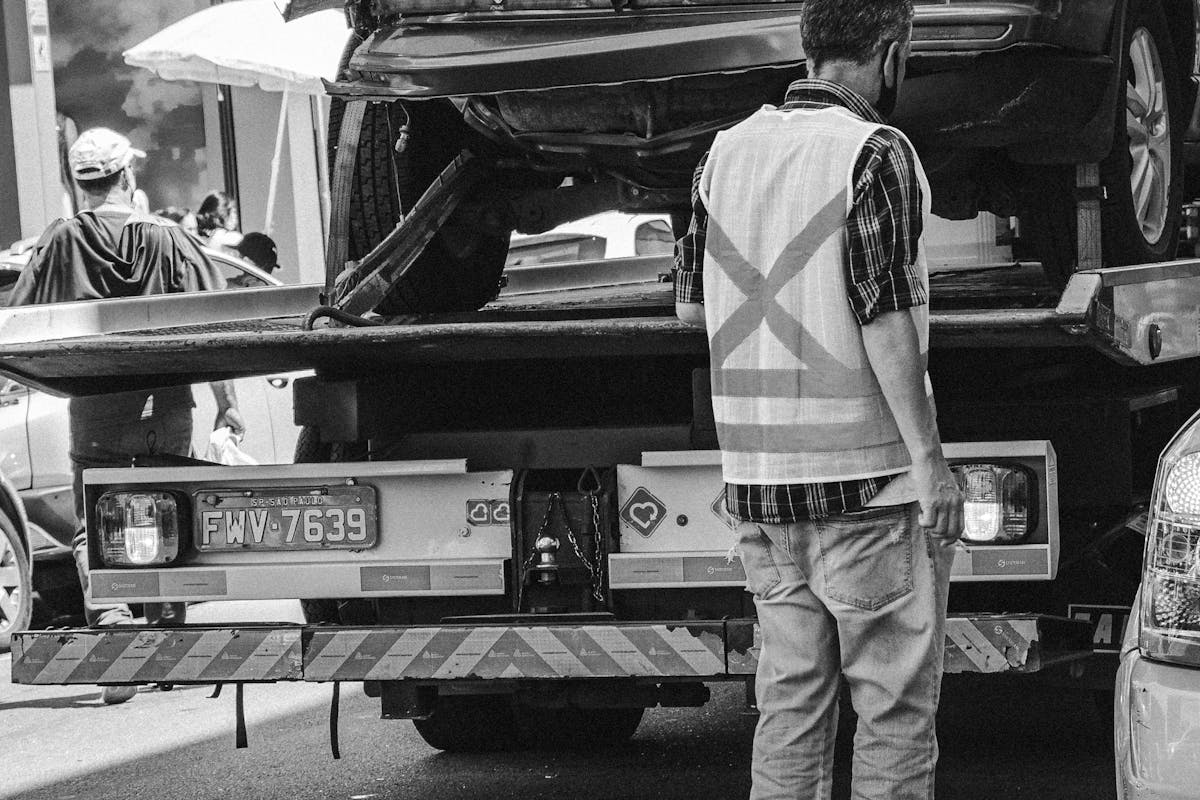
Whatever the reason your car or van will not start, it still has value. We buy non-runners in any condition and arrange appropriate collection at no charge to you. If your vehicle cannot roll, we bring the right equipment to load it safely.
Why Non-Running Cars Still Have Value
Many people assume that a car which does not run is worth nothing more than scrap metal. That is rarely the case. Even a vehicle with a blown engine has components that are in demand: body panels, interior trim, wheels, tyres, electronics, catalytic converters, gearboxes, and dozens of smaller parts all carry value on the trade market.
For vehicles with repairable faults, the value can be significantly higher. A car that needs a new alternator or a replacement ECU might cost a trade buyer a few hundred pounds to fix, after which it becomes a sellable vehicle again. We assess every non-runner individually, looking at the specific fault, the overall condition of the vehicle, and current market demand for that make and model.
The key point is this: do not assume your non-runner is worthless. Get a free valuation and find out what it is actually worth before making any decisions.
Common Reasons Cars Stop Running
Engine Failure
This is the most common reason vehicles become non-runners. Head gasket failure, overheating damage, oil starvation, and timing belt or chain failure can all result in an engine that will not start or run safely. Repair costs for serious engine work frequently exceed the value of older cars, which is why many owners choose to sell rather than fix.
Gearbox and Transmission Problems
Automatic gearboxes in particular can be expensive to rebuild or replace. Symptoms like slipping, grinding, or a complete refusal to engage any gear usually indicate a fault that requires specialist attention. Manual gearbox failures are less common but still occur, especially in vehicles with high mileage.
Electrical Faults
Modern vehicles rely heavily on electronics. A failed body control module, corroded wiring loom, or malfunctioning immobiliser can prevent a car from starting even when the engine and mechanical components are perfectly sound. Electrical diagnosis can be time-consuming and expensive, making these vehicles good candidates for selling to a specialist buyer.
Accident Damage
A vehicle that has been in a collision may be structurally sound but undriveable due to suspension damage, steering misalignment, or bodywork pressing against wheels. If you have a damaged car to sell, we can help regardless of the extent of the damage.
Neglect and Storage
Cars that have sat unused for extended periods often develop problems. Fuel degrades, batteries go flat, brake discs corrode, and rubber seals perish. A vehicle that was running perfectly when it was parked up might refuse to start after six months or more of standing idle.
Selling a Car on Finance That No Longer Runs
If your non-runner still has outstanding finance, the situation can feel particularly frustrating. You are making monthly payments on a vehicle you cannot use, and you may not have the funds to repair it.
The good news is that you can still sell it. We settle outstanding finance directly with your lender as part of the sale. The process works like this:
- Get your settlement figure from your finance company. This tells you exactly how much is owed.
- Request a valuation from us. Let us know the car is on finance and describe the fault that has made it a non-runner.
- We settle the finance directly with the lender if you accept our offer.
- You receive any remaining equity as a same-day bank transfer.
If the settlement figure is higher than the vehicle’s value, that is known as negative equity. We will explain your options clearly, including voluntary termination rights under the Consumer Credit Act if applicable. For a more detailed explanation of how finance settlements work, read our guide on selling a car on finance.
HP vs PCP: What Happens When You Sell
Hire Purchase (HP)
With HP, the outstanding balance reduces with each monthly payment. The settlement figure is simply the remaining balance minus any early settlement discount. Once settled, ownership transfers to you and the sale can proceed.
Personal Contract Purchase (PCP)
PCP agreements have a large balloon payment at the end, which means the settlement figure can be considerably higher than what you have paid in so far. It is not uncommon for the settlement to exceed the value of the vehicle, particularly in the early stages of the agreement or when the car has lost value due to damage or mechanical failure.
What is Negative Equity?
Negative equity occurs when you owe more on the finance than the car is worth. For non-runners, this is more common because the mechanical fault has reduced the vehicle’s market value. If you find yourself in this position, your options include paying the shortfall yourself, continuing to make payments until the balance reduces, or exploring voluntary termination if you have paid at least half the total amount payable.
Non-Runners vs Scrapping: Which Gets You More?
Scrapping is often the first thing people think of when a car stops running. However, scrap values are based primarily on the weight of the metal, and for most cars that works out to a fairly modest sum. A scrapyard typically pays between one hundred and three hundred pounds for a standard car, depending on current metal prices.
A car buying service takes a different approach. We consider the vehicle’s make, model, age, condition of non-mechanical components, parts demand, and whether the fault is economically repairable. In many cases, our offer will be considerably higher than scrap value.
The comparison is straightforward: always get a proper vehicle valuation before accepting a scrap quote. You can see the full range of vehicles we buy on our dedicated page.
What Documents Do You Need?
Selling a non-runner requires the same paperwork as selling any other vehicle:
- V5C logbook in your name (or evidence of ownership if the V5C is missing)
- Photo ID such as a driving licence or passport
- Proof of address dated within the last three months
- All available keys
- Bank details for receiving payment
- Finance settlement letter if the vehicle is on finance
MOT certificates and service history are helpful but not essential, particularly for non-runners where the mechanical condition is already factored into the valuation.
How the Selling Process Works
We have kept things as simple as possible. Here is how the process works:
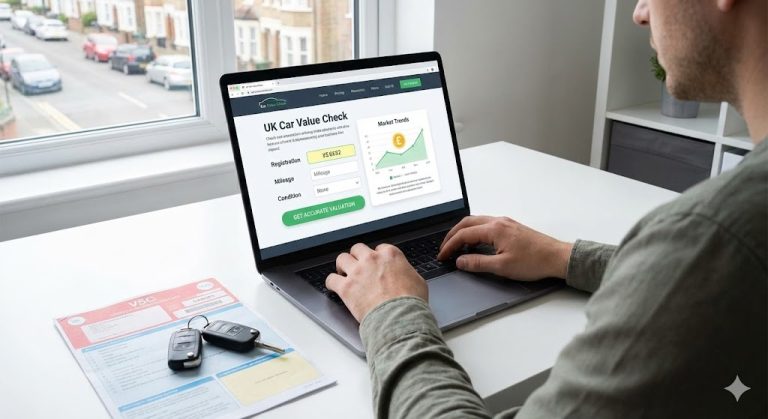
- Enter your registration on our valuation page and describe the fault. Be as specific as you can about what is wrong and whether the vehicle can roll or needs to be winched onto a transporter.
- Receive your offer. We provide a no-obligation cash offer based on the vehicle’s details, condition, and current market demand.
- Book collection. Choose a date and time that suits you. We arrange appropriate transport and collect from your home, workplace, or wherever the vehicle is stored.
- Get paid the same day. Once the paperwork is completed and the vehicle is collected, we transfer the payment to your bank account by same-day bank transfer.
There are no collection charges, no admin fees, and no hidden deductions. The price we agree is the price you receive.
Frequently Asked Questions
Can you collect a car that will not roll?
Yes. If your vehicle has seized brakes, a locked gearbox, or any other issue preventing it from rolling, we arrange a suitable recovery vehicle equipped to handle the situation. There is no extra charge for this.
Do you buy non-running vans as well as cars?
Yes. We buy non-running vans, pickups, and commercial vehicles of all sizes. The process is identical: describe the fault, receive a valuation, and we arrange collection with an appropriate vehicle.
What if I do not know exactly what is wrong with my car?
That is fine. Tell us what symptoms you have noticed — whether it will not start, makes unusual noises, overheats, or simply stopped one day without warning. We deal with non-runners regularly and can usually assess the likely issue based on the make, model, and symptoms described.
Is it worth repairing my non-runner before selling?
In most cases, no. If the repair cost is close to or exceeds the vehicle’s value after repair, you are better off selling it as-is. We buy non-runners specifically because we have the trade network and facilities to handle repairs efficiently at lower cost. Spending your own money on repairs before selling rarely produces a net gain.
How quickly can you collect a non-runner?
We typically arrange collection within 24 to 48 hours. Same-day collection may be possible depending on your location and the type of recovery vehicle required. We work around your schedule.
Ready to Sell Your Non-Runner?
Whether your car has a blown engine, a failed gearbox, electrical problems, or has simply been sitting on the drive for months, we want to hear from you. There is no obligation, no cost, and no pressure. Enter your registration, describe the issue, and find out what your vehicle is worth today.
Get your free valuation now and turn your non-runner into cash.