
Selling a Van? Avoid These Costly Errors
Selling a van should be straightforward, but certain mistakes can cost you hundreds of pounds or leave you exposed to unnecessary risk. Whether you are selling privately, trading in, or using a buying service, these are the seven most common errors van sellers make in the UK — and how to avoid every one of them.
The Seven Mistakes
1. Not Knowing Your Van’s True Market Value
The single biggest mistake is not researching what your van is actually worth before listing it or accepting an offer. Van values vary significantly depending on the make, model, age, mileage, engine type, body configuration, and current market demand. A Ford Transit Custom with 80,000 miles is worth a very different amount to a fifteen-year-old Vivaro with 200,000 on the clock.
Without a realistic benchmark, you risk either pricing too high and putting buyers off, or pricing too low and leaving money on the table. Check multiple sources: online classified listings for similar vans, trade guides, and at least two or three car buying service valuations.
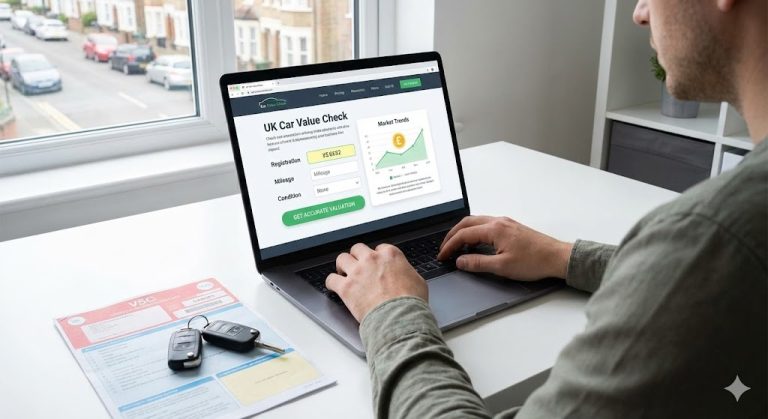
The quickest way to establish a baseline is to get a free van valuation from us. It takes seconds, there is no obligation, and it gives you a concrete number to work with before you do anything else.
2. Ignoring Presentation and Cleanliness
Vans work hard, and buyers know that. But there is a difference between honest trade wear and a van that looks like it has never been cleaned. A dirty exterior, grimy interior, rubbish in the footwells, and a cargo area caked in dust or building materials all signal neglect. Buyers — whether private or trade — will adjust their offer downward if the van looks like it has not been cared for.
Before any sale, give the van a thorough clean. Wash the exterior, vacuum the cab, wipe down the dashboard, and clear out the load area completely. If the van has had sign writing or vinyl, consider whether removing it would improve presentation. A two-hour investment in cleaning can genuinely add value to the final price.
You do not need to spend hundreds on professional detailing. A basic wash, hoover, and de-clutter is usually enough to make a positive impression.
3. Hiding Damage or Mechanical Issues
It is tempting to downplay scratches, dents, or a noisy gearbox when describing your van. But hiding issues almost always backfires. If you are selling privately, the buyer will spot the damage during a viewing and either walk away or demand a steep discount. If you are selling to a car buying service, the issue will be identified during the collection inspection, and the agreed price may be adjusted.
Honesty is always the better approach. Describe the condition accurately from the start. If the van has bodywork damage, mention it. If there is an engine management light on the dashboard, say so. Buyers respect transparency, and being upfront means the price you agree is the price you receive.
We buy vans with all kinds of damage and mechanical faults. Read more about our approach on the types of vehicles we buy page.
4. Poor Quality Photographs in Listings
If you are selling privately, your photographs are the first thing potential buyers see. Dark, blurry, or poorly framed images will cost you enquiries. Shooting in a cluttered driveway with poor lighting makes even a good van look unappealing.
Take photographs in daylight, ideally on a clean surface with a neutral background. Cover the exterior from all four corners, both sides, the front, and the rear. Photograph the interior from the driver’s door, the passenger side, and the dashboard. Show the cargo area empty and clean. If the van has any damage, photograph that too — buyers appreciate honesty and will visit with realistic expectations.
Ten well-lit photographs are worth more than thirty grainy snapshots taken in a dark garage.
5. Not Having Paperwork Ready
Selling any vehicle requires documentation, and vans are no different. At a minimum, you need the V5C logbook in your name, a valid form of photo identification, and proof of your current address. Bank details are needed for receiving payment, and if the van is on finance, you will need the settlement figure from your lender.
Having all of this ready before you begin the selling process avoids delays and makes you look organised and trustworthy. A missing V5C in particular can hold up a sale by days or weeks. If yours is lost, apply for a replacement from the DVLA well in advance. Our full guide on documents you need to sell covers everything in detail.
6. Accepting Payment Without Proper Security
This mistake applies primarily to private sales, and it can be the most costly. Accepting cash in large amounts carries physical safety risks. Accepting a cheque means waiting days for it to clear — and it can bounce after you have already handed over the keys. Bank transfer scams, where the buyer shows you a fake confirmation screen, are increasingly common.
If you sell privately, insist on a bank transfer and verify the funds have arrived in your account before releasing the vehicle. Do not accept payment apps, cryptocurrency, or any form of promise to pay later.
One advantage of using a car buying service is that payment security is handled for you. We pay by verified bank transfer on the same day of collection, with no risk to you. Learn more about selling without fees and our transparent payment process.
7. Waiting Too Long to Sell
Vans depreciate, and the longer you wait, the less your van is worth. This is particularly true for diesel vans that do not meet Euro 6 emission standards, as Clean Air Zone restrictions are expanding and making older diesels increasingly expensive to operate in urban areas.
Seasonal timing also matters. Demand for commercial vehicles tends to be stronger in the first quarter of the year, when businesses are buying vehicles for the year ahead. Selling in January or February can yield a better price than selling in the summer holiday months when demand dips.
If you have decided to sell, act promptly. Every month of delay typically means a lower price. Market values also shift with new model releases, changes to emissions regulations, and broader economic conditions. Procrastination is one of the most expensive mistakes you can make.
What to Do Instead
The alternative to these seven mistakes is simple: know your van’s value, present it honestly, have your paperwork ready, and sell promptly through a secure channel. If you want to skip the hassle of private selling entirely, a van buying service handles all of this for you.
Here is how the selling process works with us: enter your registration, receive a valuation, book a free collection, and get paid the same day. No advertising, no viewings, no waiting.
Frequently Asked Questions
Should I get my van serviced before selling?
If the service is overdue and relatively inexpensive, it can add value — particularly if it means the van has an up-to-date service record. However, spending several hundred pounds on a major service is unlikely to be recouped in the sale price. Use judgement based on the cost and the van’s overall value.
Does sign writing affect the value of my van?
Not significantly. We buy vans with full sign writing, partial livery, and plain paintwork. If you are selling privately, removing sign writing can broaden the appeal, but it is not essential. Trade buyers and car buying services are accustomed to purchasing branded vans.
Is it worth fixing minor dents before selling?
For private sales, fixing small dents and scratches can improve first impressions and may justify a slightly higher asking price. For sales to a buying service, it is usually not worth the expense — we factor in trade-level condition and price accordingly.
How do I check if my van is ULEZ compliant?
Use the Transport for London ULEZ vehicle checker online. Enter your registration number and it will confirm whether your van meets the required emissions standard. Alternatively, check the Euro emission class on your V5C logbook. Diesel vans need Euro 6, and petrol vans need Euro 4 to be compliant.
What is the best way to sell a van quickly?
The fastest route is through a van buying service. Private sales can take weeks or months. A car buying service like ours can complete the entire process in 24 to 48 hours: valuation, collection, and same-day payment. Sell your van today and get a free, no-obligation offer.
Get Your Free Van Valuation
Ready to find out what your van is worth? Avoid the mistakes above, and start with a clear picture of your van’s market value. Our valuation is free, instant, and comes with absolutely no obligation.